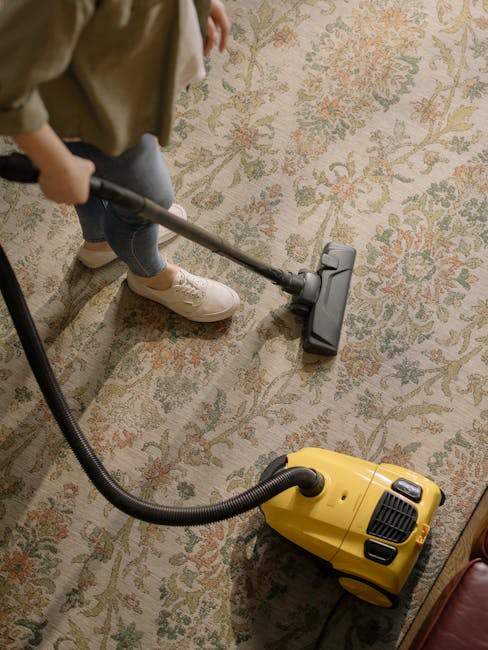
Little Venice carpet cleaning: Paddington local specialists
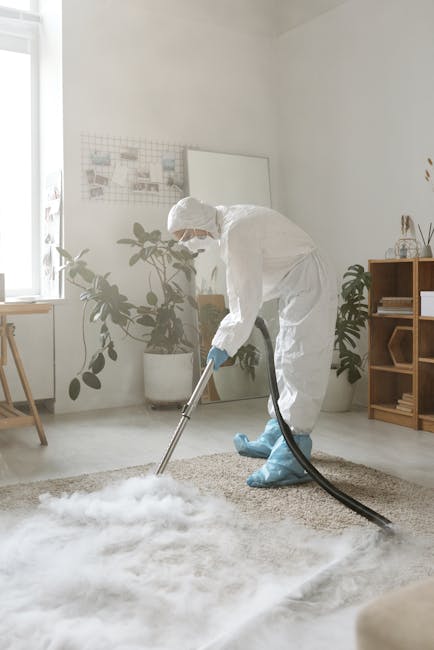
Carpets in Little Venice and the wider Paddington area take a bit of a beating. Between busy foot traffic, period-home dust, rental turnovers, pets, prams, and the everyday spill that always seems to happen five minutes before guests arrive, even a well-kept carpet can start to look tired. That is where Little Venice carpet cleaning: Paddington local specialists becomes more than a nice-to-have service. It is a practical way to protect your floors, improve how your home feels, and keep a property looking properly cared for.
If you live near the canals, in a mansion block, a townhouse, or a compact flat closer to Paddington Station, the right cleaning approach matters. Not every carpet responds the same way, and not every stain should be treated with the same enthusiasm. This guide explains how local carpet care works, what to expect from a specialist, what methods suit different homes, and how to avoid mistakes that cost time and money. It also connects carpet cleaning with the day-to-day realities of living and working locally, including tenancy deadlines, upholstery needs, and busy household schedules. For a broader view of the area and its local context, you may also find this Paddington area guide useful.
In short: if you want cleaner carpets without guesswork, local knowledge helps. A lot.
Table of Contents
- Why Little Venice carpet cleaning: Paddington local specialists matters
- How the service works
- Key benefits and practical advantages
- Who this is for and when it makes sense
- Step-by-step guidance
- Expert tips for better results
- Common mistakes to avoid
- Tools, resources and recommendations
- Law, compliance, standards, or best practice
- Options, methods, or comparison table
- Case study or real-world example
- Practical checklist
- Conclusion
- Frequently asked questions
Why Little Venice carpet cleaning: Paddington local specialists matters
Little Venice and Paddington have a distinct mix of property types and lifestyles. You get elegant period homes, modern apartments, shared flats, short-let properties, family homes, and office spaces that need to look presentable every day. That variety matters because carpets in each setting age differently. A hallway runner in a family flat near Warwick Avenue faces different wear from a bedroom carpet in a quieter mews house, and both need different treatment.
Local specialists understand the area's practical realities. They know that many homes have tighter stairwells, more delicate finishes, and sensitive occupants such as children, pets, or allergy-prone residents. They are also more likely to appreciate the expectations around end-of-tenancy standards, property viewings, and hospitality-style presentation. If you are preparing a rental, it can help to pair carpet care with end-of-tenancy cleaning in Paddington or even a targeted service for move-out deadlines like this end-of-lease cleaning guide.
There is another reason local service matters: timing. A nearby team can often work around school runs, office hours, or same-week property handovers more flexibly than a provider coming from much further away. That can be the difference between a smooth appointment and a stressful shuffle of keys, tenants, and estate agents.
Key takeaway: Local carpet specialists are useful because they combine cleaning skill with area-specific knowledge of property types, access issues, and typical wear patterns.
How Little Venice carpet cleaning: Paddington local specialists works
Professional carpet cleaning usually starts with assessment. A good specialist will want to know the carpet fibre, the visible stains, the age of the floor covering, and whether there are issues such as moth damage, odours, pet accidents, or repeated spill marks. That first look shapes the method. A synthetic hallway carpet in a busy flat may be treated differently from a wool blend in a Victorian room with natural ventilation but delicate skirting boards.
The process often includes:
- Inspection and fibre check - identifying wool, synthetic, blends, pile direction, and any areas needing caution.
- Dry soil removal - vacuuming thoroughly to lift grit before any moisture is used.
- Spot treatment - addressing stains with the right solution for the contamination type.
- Main cleaning method - often hot water extraction, low-moisture cleaning, or specialist treatment depending on the carpet.
- Rinse or neutralise - reducing residue so the carpet does not feel sticky or attract dirt too quickly.
- Drying guidance - advising on ventilation, furniture placement, and safe walking times.
Hot water extraction is widely used for deep cleaning because it can flush out embedded soil. Low-moisture or encapsulation methods can be useful where drying time needs to be shorter or the carpet cannot tolerate heavy saturation. The right method depends on the material and condition, not on a one-size-fits-all promise. Truth be told, a confident cleaner should be comfortable saying, "This carpet needs a gentler approach."
For homes where carpets sit alongside upholstery, it can be efficient to combine services with upholstery cleaning in Paddington. That is especially sensible if a sofa, footstool, or armchair shares the same traffic, dust, and spill history as the carpet beneath it.
Key benefits and practical advantages
Professional carpet cleaning is not just about making the floor look bright for a few days. Done properly, it brings practical gains that you can feel as soon as you walk into the room.
- Better appearance - dull traffic lanes, matting, and spot marks are reduced.
- Improved freshness - carpets often hold cooking smells, pet odours, and everyday stuffiness.
- Longer carpet life - grit and embedded soil act like sandpaper, so removing them helps preserve fibres.
- Healthier-feeling rooms - a deeper clean can reduce dust, allergens, and residue that vacuuming alone may leave behind.
- Better rental presentation - useful for landlords, agents, tenants, and anyone preparing for inspection.
- More confidence at home - people notice clean carpets, even if they do not consciously mention it.
There is also a subtle but important benefit: a clean carpet changes how the whole room reads. Light reflects better. Furniture looks less tired. Even a modest flat can feel more considered and cared for. That matters if you are preparing a sale or a viewing; local property context is discussed in this Paddington property purchase and sale article.
For offices and client-facing spaces, the benefit is even more direct. Clean flooring supports a professional first impression and helps maintain a tidy, reliable environment. If that sounds relevant, see also office cleaning services in Paddington and the wider services overview.
Who this is for and when it makes sense
Carpet cleaning in Little Venice and Paddington makes sense for a surprisingly wide range of people. The obvious ones are homeowners and tenants, but the service is often just as useful for agents, landlords, Airbnb hosts, and small businesses.
Homeowners and long-term residents
If you live locally, regular cleaning helps maintain the condition of your floors between deeper refurbishment cycles. This is especially useful in homes with stairs, pets, or a lot of foot traffic from school mornings, deliveries, and visitors.
Tenants at move-out stage
When a tenancy ends, carpets are often one of the first things that get inspected. If you are preparing for checkout, professional cleaning can help reduce avoidable disputes, especially where the carpet has visible marks or odours. For a more focused tenancy-related resource, the end-of-lease cleaning guide for Paddington Station W2 is worth a look.
Landlords and letting agents
Landlords often need quick turnaround cleaning between tenants. In practice, that means you want a team that works neatly, communicates clearly, and understands the expectations around presentation and documentation. Local expertise matters here because access windows can be narrow and schedules change fast.
Families and pet owners
Children and pets are lovely. They are also excellent at testing carpet durability. Spills, muddy paws, drink marks, and the occasional mystery stain are common reasons to book a cleaning before the carpet becomes visibly worn.
Businesses and offices
Small offices, studios, and consulting spaces benefit from carpet care because clients notice cleanliness immediately. If your workplace has reception carpets or meeting room flooring, regular maintenance can help avoid premature replacement.
Step-by-step guidance
If you have never booked a specialist carpet clean before, the process is simpler than it looks. Here is how to approach it sensibly.
- Identify the problem
Is it general dullness, specific staining, odour, pet contamination, or an upcoming inspection? Clear goals lead to better quotes and better results. - Check the carpet type
If you know whether the carpet is wool or synthetic, say so. If not, a specialist can usually assess it on arrival. This helps avoid over-wetting or using the wrong chemistry. - Ask what method will be used
Deep extraction, low-moisture cleaning, and spot treatments suit different situations. A good provider should explain the reason, not hide behind jargon. - Prepare the room
Move fragile items, clear small floor objects, and think about access. In compact Little Venice flats, a little preparation saves a lot of time. - Discuss stains honestly
Do not pretend that a red wine mark is "just a bit of water." The more accurate the description, the better the treatment plan. - Allow proper drying time
Ventilation matters. Open windows where sensible, keep foot traffic low, and follow the cleaner's advice on furniture replacement. - Review the finished result
Check the traffic lanes, edges, and any previously treated spots before the team leaves if possible. Reputable cleaners prefer a clear handover.
If you are building a broader home-care schedule rather than booking a one-off visit, it can help to align carpet cleaning with domestic cleaning in Paddington or house cleaning services so that floors, fabrics, and surfaces are maintained together instead of in isolation.
Expert tips for better results
Here is where small decisions make a visible difference. A few simple habits can improve results before, during, and after the clean.
- Vacuum first, properly - loose grit makes stain removal harder and can limit the effectiveness of the main clean.
- Deal with spills quickly - blot, do not rub. Rubbing drives the stain deeper and roughs up fibres.
- Be cautious with supermarket stain removers - some products set stains or leave residues that attract dirt later.
- Protect high-traffic routes - hallway runners or mats reduce wear where the carpet is most exposed.
- Ask about drying times before booking - especially if you need the room back for guests, staff, or tenants.
- Test colourfastness where needed - this is particularly important for delicate fibres or older carpets.
- Use the right frequency - not every carpet needs constant deep cleaning, but leaving it untouched for years usually costs more in the long run.
A small but useful detail: if you have furniture on the carpet, think about where it will sit after cleaning. Heavy items should usually wait until the carpet is fully dry. That avoids impressions and gives the fibres time to recover.
For properties that host guests or events, timing becomes even more important. If you are preparing a room for entertaining, cleaning the carpet first and the upholstery second often gives a better visual result than doing it the other way around. For local hosting and event planning context, this Paddington party venues article offers useful background on how busy the area can get.
Common mistakes to avoid
Carpet cleaning problems are often caused by well-meaning but unhelpful shortcuts. The biggest mistakes are usually avoidable.
- Using too much water - oversaturation can leave carpets wet for too long and may cause odours or backing issues.
- Scrubbing stains aggressively - this can distort pile and spread contamination.
- Choosing a cleaner without checking their method - different carpets need different approaches.
- Ignoring the stain history - old stains can need several careful steps, not just a quick spray.
- Booking too close to an event - leave enough time for drying and any follow-up treatment.
- Not asking about insurance and safety - a trustworthy company should be able to explain their procedures clearly.
One common real-world issue is pre-treated stain damage. A homeowner tries three different products on one mark, and by the time the professional arrives, the stain has chemically changed. The cleaner can still often improve it, but the original result is no longer available. That is not a reason to panic. It is simply a reason to avoid turning your lounge into a chemistry experiment.
Tools, resources and recommendations
Good results come from a mix of suitable equipment, the right chemistry, and local awareness. When choosing a carpet specialist, look for practical signs of professionalism rather than flashy promises.
| What to look for | Why it matters | What you can ask |
|---|---|---|
| Pre-inspection process | Helps match the method to the carpet type and condition | "How do you assess fibre and stain risk before cleaning?" |
| Clear drying guidance | Reduces inconvenience and lowers the chance of musty smells | "How long should I expect the carpet to take to dry?" |
| Stain-specific treatment | Improves outcomes on wine, food, pet, or grease marks | "Do you treat stains individually or use one general solution?" |
| Insurance and safety information | Shows the provider takes responsibility seriously | "Can I see your insurance and safety policy?" |
| Local service knowledge | Useful for access, parking, and building-specific conditions | "Have you cleaned similar properties in Little Venice or Paddington?" |
It also helps to use the wider site resources when comparing services. The pricing and quotes page is the right place to understand how estimates are handled, while the about us page gives a sense of how the business presents itself. For peace of mind around service delivery, the insurance and safety information and health and safety policy are worth checking too.
If you are comparing service options across the home, it can be efficient to combine carpet cleaning with the main service overview and, where needed, office cleaning or household cleaning support. That kind of joined-up planning usually saves time and produces a more consistent finish.
Law, compliance, standards, or best practice
Carpet cleaning itself is not a heavily regulated profession in the way some trades are, but that does not mean standards are optional. In the UK, responsible providers are expected to work safely, handle chemicals properly, respect property, and communicate clearly about what is and is not included.
From a best-practice perspective, a trustworthy cleaner should be able to explain:
- how they assess carpet fibres and possible risks before starting;
- what cleaning agents they use and why;
- how they protect floors, furniture, and occupants;
- what insurance or complaint processes are in place;
- how they handle access, keys, and property security;
- what drying and aftercare guidance the client should follow.
If you are a landlord or agent, there is also a practical duty to keep properties in a presentable and safe condition between occupiers. That often means coordinating cleaning with check-in or check-out workflows, so there are no surprises on handover day. For service transparency, the site's terms and conditions, privacy policy, and complaints procedure provide useful signals about how the company handles customer relationships.
For local readers who care about access and fairness online as well as in person, the accessibility statement is another worthwhile trust marker. It is not glamorous, but it does tell you the business is paying attention to service quality beyond the carpet itself.
Options, methods, or comparison table
Different carpet cleaning methods suit different needs. The best choice depends on fibre type, drying time, stain level, and how much disruption you can tolerate.
| Method | Best for | Advantages | Watch-outs |
|---|---|---|---|
| Hot water extraction | Deep soil, general refresh, most synthetic carpets | Strong cleaning power, good for embedded dirt | Needs proper drying time; not ideal for every delicate carpet |
| Low-moisture cleaning | Quick turnaround, lighter soiling, sensitive schedules | Faster drying, less disruption | May be less effective on heavy contamination |
| Spot treatment only | Single stains or isolated problem areas | Targeted and efficient | Won't refresh the whole carpet |
| Combined carpet and upholstery care | Homes with matching fabric wear or odour issues | More consistent finish across the room | Requires proper planning and drying space |
In many Little Venice homes, the ideal answer is not one method forever but the right method for the current problem. A carpet that simply looks dusty may not need the same treatment as one with years of tracked-in soil. That sounds obvious, yet it is where a lot of poor cleaning decisions start.
Case study or real-world example
Consider a typical scenario: a one-bedroom flat near the canal is being prepared for new tenants after a long let. The carpet in the hallway is darkened from foot traffic, the lounge has one visible drink mark, and the bedroom feels slightly stale despite regular vacuuming. The landlord needs the place ready quickly, but not at the expense of quality.
A local specialist would usually begin by identifying the carpet material and checking whether the drink mark has already been treated. They may then combine a targeted stain treatment with a general deep clean in the traffic areas and a light refresh in the bedroom. If the flat also has a fabric chair that has absorbed the same odour, the cleaner might suggest pairing the appointment with upholstery care. The result is not just a nicer-looking carpet, but a property that feels more settled and easier to market.
That kind of job is common in Paddington and Little Venice because properties turn over quickly and expectations are high. Clean flooring is often the difference between a flat that feels "fine" and one that feels genuinely move-in ready.
Practical checklist
Use this simple checklist before you book:
- Identify the main issue: staining, odour, dullness, tenancy handover, or general maintenance.
- Check whether the carpet is wool, synthetic, blended, or unknown.
- Note any existing damage, loose seams, or areas of heavy wear.
- Ask which cleaning method is recommended and why.
- Confirm drying expectations and when the room can be used again.
- Decide whether upholstery, domestic cleaning, or office cleaning should be bundled in.
- Review the company's pricing, insurance, and safety information.
- Make sure access is easy on the day of the visit.
- Protect vulnerable items and clear small floor objects in advance.
- Inspect the result before the team leaves, if possible.
If you want a single service page for carpet care in the area, start with carpet cleaning in Paddington. For a wider local comparison point, you can also look at another Paddington carpet cleaning service overview and the related Paddington Station W2 carpet cleaning article. Comparing structure and clarity can be genuinely useful when you are deciding what kind of provider you want.
Conclusion
Little Venice and Paddington properties deserve carpet care that respects the fabric, the schedule, and the reality of local living. A good local specialist does more than run equipment over a floor. They assess the carpet properly, choose the right method, treat stains with care, and help you avoid the common problems that lead to poor drying, wasted money, or disappointing results.
Whether you are a homeowner trying to keep a beautiful flat looking sharp, a tenant preparing for checkout, or a landlord managing turnover, the right carpet clean can make the property feel calmer, cleaner, and easier to live in. And because local buildings, access, and expectations vary so much around Little Venice, choosing a specialist who understands the area is not a luxury. It is simply sensible.
Get a free quote today and see how much you can save.
Frequently Asked Questions
How often should carpets be professionally cleaned in Little Venice?
It depends on use, not just age. A busy family home, pet household, or rental property may benefit from more frequent cleaning than a low-traffic spare room. Many people wait until carpets look dirty, but by then embedded soil has often built up. Regular maintenance is usually more cost-effective than rescue cleaning.
Is hot water extraction safe for all carpet types?
No, not automatically. It works well for many synthetic carpets and some other materials, but delicate fibres, older carpets, or specific finishes may need a gentler or lower-moisture method. A proper inspection should come before the machine does.
Will carpet cleaning remove every stain?
Not always. Some stains are permanent, especially if they have been set by heat, cleaning chemicals, or time. A specialist can often improve them significantly, but it is better to think in terms of stain reduction and colour recovery rather than guaranteed perfection.
How long does it take for carpets to dry?
Drying time varies based on method, carpet thickness, ventilation, and room temperature. Low-moisture methods usually dry faster, while deeper extraction can take longer. Your cleaner should give a realistic timeframe and explain how to speed drying safely.
Can I walk on the carpet after cleaning?
Usually yes, but only with care. Cleaners often recommend limiting traffic while the carpet is damp and avoiding outdoor shoes if possible. If you must cross the area, use clean socks or shoe covers if advised.
Do I need to move furniture before the appointment?
It helps, but the answer depends on the cleaner and the room layout. Small items should generally be moved in advance. Larger furniture can sometimes be worked around or shifted carefully, but it is best to ask before booking so expectations are clear.
Is carpet cleaning worth it before a tenancy check-out?
Yes, in many cases. End-of-tenancy carpet cleaning is one of the most practical ways to improve the property's presentation and reduce arguments over cleanliness. It is especially useful if the carpet has traffic marks, pet odour, or visible spills.
What should I ask a carpet cleaner before booking?
Ask about method, drying time, stain treatment, insurance, and whether they have experience with your type of property. If you live in a tight-access flat or period building, mention that too. Good providers appreciate accurate information.
Can carpet cleaning help with pet smells?
Often yes, particularly when odours are trapped in the fibres rather than caused by deeper damage. The cleaner may need to treat the source area directly and use a suitable deodorising or rinse process. Severe contamination can be more complex and may need repeated treatment.
What is the difference between carpet cleaning and upholstery cleaning?
Carpet cleaning focuses on floor coverings, while upholstery cleaning is for fabric furniture such as sofas, chairs, and footstools. The techniques overlap, but the fabric structure and moisture tolerance are often different. Many homes benefit from doing both together for a more even finish.
How can I tell if a carpet cleaner is trustworthy?
Look for clear communication, realistic promises, published policies, and sensible service explanations. Trustworthy cleaners should be able to discuss safety, pricing, and complaint handling without getting vague. If the answers feel rushed or overly salesy, that is usually worth noticing.
Do local carpet specialists understand Paddington properties better?
Usually, yes. Local specialists are more likely to be familiar with the kinds of flats, stairwells, access arrangements, and turnaround pressures common in the area. That can make booking easier and the service more practical from start to finish.
Where can I learn more about related cleaning services in the area?
It is helpful to look at the broader local service pages, including domestic cleaning, house cleaning, and upholstery cleaning. These services often complement carpet care and can save you from booking separate visits unnecessarily.