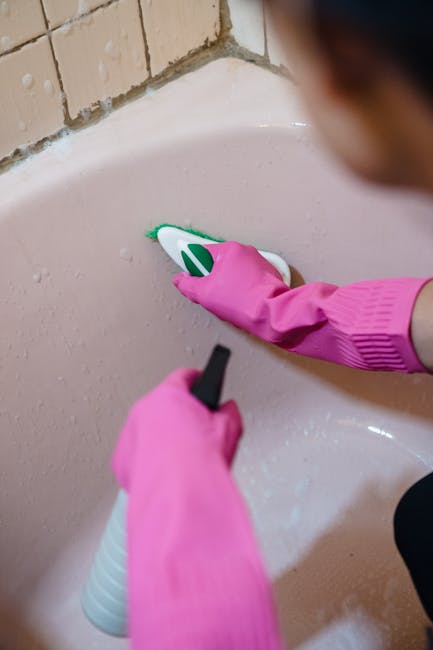
Stubborn curry stains on Edgware Road? Local stain removal tips
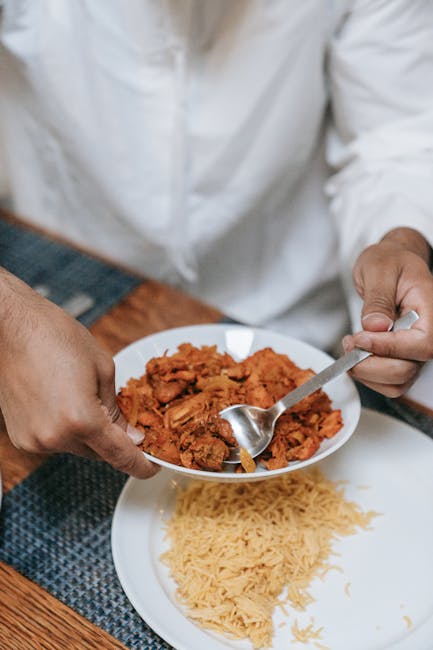
If you live, work, or eat your way around Edgware Road, you already know the score: great food, busy pavements, and the occasional curry spill that seems to happen at the worst possible moment. One splash on a carpet, one drip on a sofa, one smudge on a shirt-and suddenly you're dealing with a bright yellow stain that looks far more dramatic than it should. Stubborn curry stains on Edgware Road? Local stain removal tips matter because these marks are greasy, pigmented, and quick to set, which makes fast, sensible action the difference between a small clean-up and a permanent reminder.
This guide walks you through what actually works, what can make things worse, and when it makes more sense to call in a professional. You'll get practical steps for carpets, upholstery, and clothing, plus a few local realities that matter in nearby flats, shared homes, and busy commercial spaces. Truth be told, curry stains are annoying, but they're not unbeatable.
Why Stubborn curry stains on Edgware Road? Local stain removal tips Matters
Edgware Road has a very particular rhythm. There are food deliveries, late lunches, takeaway bags, shared flats, short-term lets, and a lot of people moving in and out all day. That means spills are not rare, and curry is one of the trickiest common stains because it usually contains oil, spices, and colour-rich ingredients like turmeric. It is that combination that makes it cling to fibres.
Local context matters too. In a busy London home, you may not have time to strip a sofa cover, spot test half a dozen products, or wait three days for a stain to "maybe fade." You need something practical. Fast. And ideally something that won't damage an expensive carpet in a Victorian conversion or leave a water ring on a fabric armchair you bought second-hand and rather like, actually.
There's also a confidence angle here. If you manage a rented property, run a small office, host guests, or simply enjoy cooking at home, knowing how to handle a curry spill can save a lot of stress. It can also help you avoid replacing items that could have been saved with the right method.
For readers in nearby Paddington and the wider W2 area, this is one of those unglamorous but genuinely useful topics. If you want broader local cleaning context, you may also find cleaning tips for flats on Praed Street in Paddington W2 helpful, especially if your home has limited storage, compact rooms, or shared hallways that make spill management a bit more awkward than it sounds.
How Stubborn curry stains on Edgware Road? Local stain removal tips Works
Removing curry stains is really about separating the problem into parts. Curry typically leaves:
- oil or fat that bonds to fibres
- colour pigments that create the yellow-orange mark
- heat-set residue if the spill has dried or been ironed/steamed/washed badly
That means one single "magic" product is rarely the answer. You usually need a staged approach: first lift excess food, then deal with the greasy component, then treat the remaining colour. If you skip straight to scrubbing, you may simply push the stain deeper into the fabric. Annoying, but common.
Different surfaces behave differently. A wool carpet in a rental flat, a synthetic office chair, and a cotton T-shirt all respond in slightly different ways. Some materials can tolerate gentle detergent and water. Others need more careful, low-moisture treatment. Delicate upholstery, in particular, can bruise, spread, or shrink if over-wetted. That's why method matters as much as product choice.
Professional cleaning follows the same logic, just with better equipment and safer control. In some cases, a hot water extraction process can help lift residue from carpet fibres; in others, a targeted pre-treatment and careful agitation is enough. For furniture, upholstery cleaning usually depends on the fabric code, the dye stability, and how far the stain has migrated.
If you want a broader view of what specialist cleaning can cover, it's worth looking at the full services overview, especially if the stain is part of a bigger clean-up after a dinner party, a house share event, or a move-out.
Key Benefits and Practical Advantages
Good stain removal is about more than aesthetics. A well-handled curry spill can save time, protect fibres, and reduce the chance of long-term odour. Here's what you gain when you tackle it properly:
- Better chance of full stain removal before the pigment sets.
- Less fabric damage because you avoid aggressive rubbing and unsuitable chemicals.
- Improved hygiene by removing food residue that can attract dirt.
- Lower replacement costs for carpets, sofas, rugs, and clothing.
- Better letting and presentation outcomes if you're preparing a property for tenants, inspections, or guests.
There's also a psychological benefit, and it's not small. A fresh curry stain can make a room feel messier than it really is. Once it's dealt with, the whole space feels calmer again. Silly, maybe. But true.
In shared homes and managed properties, fast stain response also reduces the chance of disputes. If a spill is left to bake in for a few days, nobody enjoys the conversation afterwards. Better to deal with it promptly, document it if needed, and move on.
Who This Is For and When It Makes Sense
This guide is for anyone who has ever looked at a yellow stain and thought, "Right, that is not budging." It's especially useful for:
- homeowners and renters in Edgware Road, Paddington, and nearby W2 streets
- people living in flats with limited space to air-dry items
- landlords and letting agents dealing with stained carpets or upholstery
- office managers handling break-room spills or client-area fabrics
- hosts after meals, gatherings, or takeaways gone a bit wrong
It makes sense to try DIY cleaning when the stain is fresh, the fabric is fairly sturdy, and you can test a hidden area first. It makes less sense when the material is delicate, the stain has been there for days, or previous cleaning attempts have already caused spreading. If the item is valuable or the stain sits on a large carpeted area, professional support is often the safer choice.
For people juggling busy homes or irregular schedules, local domestic support can make a huge difference. A practical place to start is domestic cleaning in Paddington, especially if a stain is only one part of a much larger clean-up job.
Step-by-Step Guidance
Below is a sensible, low-risk approach for fresh or recently dried curry stains. Move slowly. The goal is to lift the stain, not redecorate it across the fabric.
1. Remove excess curry gently
Use a spoon, dull knife, or the edge of a card to lift off any solid food. Do not press down. The more you compact the spill, the deeper it goes. A tiny bit of patience here saves a lot of grief later.
2. Blot, do not rub
Take a clean white cloth or paper towel and blot the area from the outside in. That helps stop the stain spreading. Rubbing can rough up fibres and spread the oily pigments further.
3. Check the fabric type
Before adding any liquid, confirm whether you're dealing with carpet, upholstery, cotton, silk, wool, or synthetic fabric. If there is a care label, follow it. If the item is marked dry-clean-only or the fabric looks delicate, pause and consider professional help.
4. Use a mild cleaning solution
For many washable fabrics and some carpets, a small amount of mild washing-up liquid in cool or lukewarm water can help break down the grease. Apply it sparingly with a cloth. Work from the edge towards the centre. Again, less is more.
5. Lift the residue gradually
After applying solution, blot with a fresh damp cloth, then a dry one. Repeat gently. You may need several passes. Curry stains often look better slowly, not instantly. That's normal.
6. Treat remaining colour carefully
If a yellow tint remains after the grease has lifted, that's the pigment left behind. Use a stain-safe treatment suitable for the surface, always tested in an inconspicuous area first. On carpet and upholstery, avoid anything harsh or bleach-based unless you are absolutely certain it is safe for that material.
7. Dry properly
Let the area dry naturally or with light airflow. If possible, place a clean towel under or over the spot to absorb lingering moisture. Do not use heat too soon. Heat can lock in colour and leave a stubborn mark behind. That's the bit everyone regrets at 10 p.m.
8. Reassess before repeating
If the stain is still visible after one careful round, stop and re-evaluate. Repeating the wrong process can make matters worse. At this point, a professional stain treatment may be the smarter move.
Quick tip: Keep your approach gentle, targeted, and patient. Aggression is the enemy here.
Expert Tips for Better Results
There are a few details that make a real difference, and they're easy to miss when you're rushing.
- Work from the outside in. This stops the stain from widening.
- Use white cloths. Coloured cloths can transfer dye, especially when damp.
- Test first. A hidden corner is much better than an obvious patch.
- Go cool rather than hot. Heat can set turmeric and other pigments.
- Vacuum dry residue first on carpets. If there's loose powdery seasoning, remove it before adding liquid.
- Keep products minimal. Too many cleaners at once can create a sticky film or chemical reaction, and nobody wants that smell hanging around.
One useful real-world observation: in older Paddington and Marylebone-area flats, carpets often have seen a lot of use and may already contain general soiling. That makes spot cleaning trickier because a treated patch can end up looking cleaner than the surrounding area. In that case, spot removal alone may not blend well, and a fuller carpet refresh can give a more even result.
If the stain is on furniture, it can help to read up on upholstery cleaning in Paddington before doing anything adventurous. Fabric sofas are not forgiving, and they look great right up until the moment you use the wrong product.
And one more thing: if you've got a takeaway container leak in the back seat of a car, don't wait until tomorrow. Curry odour has a way of becoming the whole car. Not ideal.
Common Mistakes to Avoid
Most curry stain disasters come from well-meant but rushed decisions. Here are the big ones.
Scrubbing hard
It feels productive, but it usually drives the stain deeper and roughs up fibres. Blotting is boring, yes, but it works.
Using too much water
Soaking carpets or upholstery can spread the stain into the underlay or stuffing. Then you've got a bigger job, plus a damp smell later. Fun times, not.
Applying bleach or strong whiteners
Some fabrics discolour, weaken, or patch unpredictably when exposed to harsh chemicals. A stain removed badly can be worse than the stain itself.
Leaving the stain to dry completely
Fresh stains are much easier to handle. Once curry dries, the oil binds harder and the colour can settle more firmly into the fibres.
Skipping the patch test
Even a mild cleaner can cause a problem on certain fabrics. Always test first. Always.
Using heat too early
Hairdryers, irons, radiators, and hot steam can set remaining pigment. If you're unsure, keep it cool until the stain is truly gone.
Tools, Resources and Recommendations
You do not need a cupboard full of specialist products to deal with a curry spill. In fact, a simple, careful kit is usually best.
- clean white cloths or paper towels
- a spoon or blunt scraper for lifting solids
- cool water
- mild washing-up liquid
- a soft brush or clean sponge for very gentle agitation
- dry towels for absorption
- a vacuum cleaner for dry carpet residue
If you're cleaning a larger area or dealing with repeated spill issues in a household or workplace, it may be worth considering ongoing professional support. For a bigger view of what's available locally, carpet cleaning in Paddington is often the most relevant next step when stains are affecting floor coverings, and house cleaning in Paddington can help when the stain is part of a wider domestic refresh.
For people in and around central London who want a clearer picture of neighbourhood-specific cleaning realities, a local's guide to living in Paddington offers useful context on everyday home life in the area. That sounds broad, I know, but local living affects cleaning more than people think.
Law, Compliance, Standards, or Best Practice
For a household stain, there usually isn't a legal issue in the background. But best practice still matters, especially if you are handling cleaning in a rented property, a managed building, or a workplace.
In practice, that means following sensible fabric care, using products as directed, and being careful around electrical items, carpets near sockets, or upholstered office chairs. If you are cleaning as part of a business or letting arrangement, it's wise to keep a basic record of what was used and any damage noticed before cleaning started. That can help if there's a later question about responsibility.
There's also a safety angle. Some cleaning products should not be mixed, and good ventilation is always sensible in small flats or rooms with limited airflow. If you are unsure about the material, product compatibility, or whether a surface is safe to treat, professional advice is the safer option.
For readers who want reassurance about how a reputable local company approaches this kind of work, you can review the site's health and safety policy and insurance and safety information. That sort of transparency matters more than people realise.
Options, Methods, or Comparison Table
Different stain removal approaches suit different situations. Here's a simple comparison to help you choose wisely.
| Method | Best for | Pros | Risks or limits |
|---|---|---|---|
| Blotting with mild solution | Fresh stains on washable fabric, some carpets, and sturdy upholstery | Low cost, gentle, quick to start | May not remove deep pigment or old, set-in residue |
| Targeted spot treatment | Isolated stains with known fabric type | Efficient, can be effective on smaller marks | Requires careful patch testing and product knowledge |
| Professional carpet or upholstery cleaning | Older stains, delicate fabrics, larger affected areas | More thorough, safer for difficult materials, better finish | Higher cost than DIY, requires scheduling |
| Replacement or re-covering | Severely damaged or permanently marked items | Solves the problem completely | Expensive and unnecessary if the stain is still recoverable |
To be fair, most people do not need the most aggressive option. They need the right one. That's the whole game.
Case Study or Real-World Example
A small flat near Edgware Road had a curry spill on a light carpet after a late dinner. The stain was noticed the next morning, so it had already dried a little. The first instinct was to scrub with a wet cloth, which only spread the yellow tint into a larger circle. Very common.
The better approach was to stop, let the carpet dry fully, vacuum the dry residue, and then apply a mild cleaning solution in tiny amounts with blotting cloths. The greasy part lifted first. The colour lingered, though, so the homeowner paused rather than pushing on with harsher products. A professional carpet clean later finished the job and blended the spot into the rest of the room much more neatly.
The lesson was simple: the fastest action is not always the roughest action. Sometimes the smart move is doing a little less, not more. That is especially true in compact London flats where airflow is limited and over-wetting becomes a real problem very quickly.
For move-out situations, a stain like this can become part of a broader end-of-tenancy discussion, so it may help to review end of tenancy cleaning in Paddington if you're trying to leave a property in good order.
Practical Checklist
Use this before, during, and after a curry spill clean-up.
- Remove any solid food gently
- Blot, don't rub
- Identify the material first
- Patch test any cleaner
- Use cool or lukewarm water, not hot
- Apply product sparingly
- Work from the outside in
- Blot with clean cloths after treatment
- Let the area dry naturally
- Stop if the stain spreads or the fabric changes colour
- Consider professional help for old, large, or delicate stains
Practical summary: the right response is calm, careful, and measured. Fresh stain, light touch. Old stain, more caution. Delicate fabric, expert help. Simple as that.
If you're dealing with a stain that just won't budge, or you'd rather have a trained cleaner handle carpets or upholstery safely, pricing and quotes is the sensible next stop before you decide what to do. It keeps the decision clear, and it stops the whole thing turning into guesswork.
Get a free quote today and see how much you can save.
Conclusion
Curry stains are part of city life sometimes, especially around Edgware Road where food is a big part of the neighbourhood rhythm. The good news is that most stains respond well to prompt, careful treatment. The key is understanding what you're dealing with: oil, pigment, and fabric sensitivity. Once you know that, the job becomes much more manageable.
Handle fresh stains quickly, avoid harsh scrubbing, and don't be afraid to stop if the material looks delicate or the mark has already set. A good result is usually built on patience and restraint, not bravado. And if the stain is too stubborn, a professional clean can save time, protect your furnishings, and spare you that slightly hollow feeling of trying one more "miracle" trick that makes things worse.
In a busy London home, that peace of mind counts for a lot. Sometimes the best fix is the one that quietly gives you the room back.
Frequently Asked Questions
What is the first thing I should do when curry spills on a carpet?
Lift off any solids gently, then blot the area with a clean white cloth. Avoid rubbing. If you act quickly, you have a much better chance of removing both the grease and the yellow pigment before they set.
Does curry stain permanently?
Not always. Fresh stains often come out with careful treatment, but older stains or stains on delicate fabrics can be harder. Turmeric-based colour is especially persistent, so fast action really helps.
Can I use hot water to remove curry stains?
Usually not at first. Hot water can set pigment and make the stain harder to remove. Cool or lukewarm water is generally the safer starting point for most fabric-safe methods.
Will washing-up liquid remove curry stains from upholstery?
It can help on some fabrics if used very sparingly and tested first. The trick is to avoid soaking the material. Upholstery is more delicate than carpet in many cases, so small amounts and light blotting are best.
Why does curry leave a yellow mark even after cleaning?
That yellow mark is often the pigment left behind after the oily part has lifted. You may need a separate stain treatment for the colour, or professional cleaning if the fabric is sensitive.
Is it safe to scrub curry stains hard?
No, not really. Hard scrubbing can spread the stain and damage fibres. Gentle blotting is usually much more effective and far less risky.
How do I remove curry from a white shirt?
Scrape off any food, blot carefully, and treat the area with a fabric-safe method before washing. Check the care label first. If the shirt is delicate, dry-clean-only, or expensive, it may be worth getting specialist help.
Can professional cleaners remove old curry stains?
Often, yes, though success depends on the fabric, the age of the stain, and any earlier cleaning attempts. The longer a stain sits, the harder it becomes, but professional treatment can still make a big difference.
What should I avoid using on a curry stain?
Avoid bleach unless the fabric clearly allows it, and avoid mixing random cleaners together. Also avoid heat too early, because it can lock the stain in place. When in doubt, keep things simple.
How long should I wait before calling a professional cleaner?
If the stain is on a valuable item, a delicate fabric, or a large carpet area, don't wait too long. If your first careful attempt doesn't make meaningful progress, it's sensible to call in help rather than keep experimenting.
Can curry stains come back after drying?
Yes, sometimes residue becomes more visible as the area dries, especially if not all the pigment was removed. That's why final drying should be checked carefully before you assume the stain is gone.
Do local cleaners handle curry stains in rented flats and shared homes?
Yes, this is a very common type of issue in London homes. A good local cleaner can usually advise whether spot treatment is enough or whether carpet or upholstery cleaning would give a better result overall.
What's the best next step if the stain is still there after cleaning?
Stop before overworking the fabric, let it dry fully, and assess whether the surface needs a deeper clean. For carpets, upholstery, or end-of-tenancy situations, a professional inspection is often the most practical next move.
If you'd like to learn more about the team behind the service, the about us page is a good place to start. For people comparing home support options more broadly, house cleaning in Paddington and Little Venice carpet cleaning specialists can also be useful references, especially if a curry spill is just one part of a larger cleaning job.