Paddington Station waste rules: City of Westminster disposal guide
If you are sorting rubbish near Paddington Station, the rules can feel oddly specific. One minute you are dealing with a bag of household waste, the next you are trying to work out whether a box, mattress, or broken chair counts as general rubbish, bulky waste, or something that needs a different route entirely. Paddington is busy, tightly managed, and unforgiving when waste is left in the wrong place at the wrong time. This guide explains the Paddington Station waste rules: City of Westminster disposal guide in plain English, so you can avoid fines, keep pavements clear, and dispose of waste without the usual headache.
We will walk through what the rules mean in practice, who they affect, how disposal usually works in this part of Westminster, and what to do if you have more than a simple bin bag to get rid of. If you live nearby, run a business, manage a flat, or are just trying to clear up after a move, this should save you time. And probably a little frustration too.
Table of Contents
- Why Paddington Station waste rules matter
- How the disposal rules work near Paddington Station
- Key benefits and practical advantages
- Who this is for and when it makes sense
- Step-by-step guidance
- Expert tips for better results
- Common mistakes to avoid
- Tools, resources and recommendations
- Law, compliance and best practice
- Options, methods and comparison
- Case study or real-world example
- Practical checklist
- Conclusion
- Frequently asked questions
Why Paddington Station waste rules matter
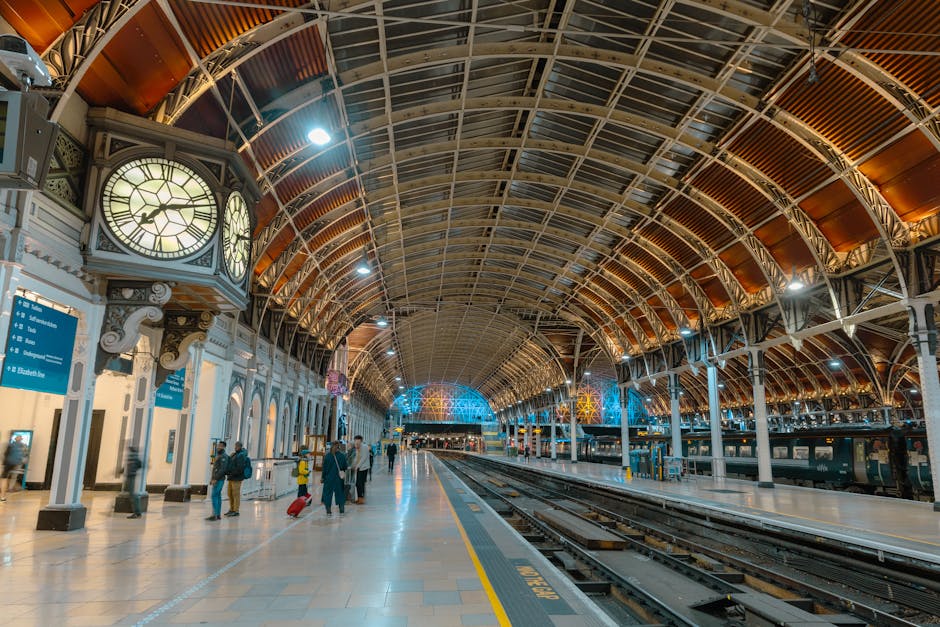
Paddington Station sits in one of the most heavily used parts of Westminster. There is constant foot traffic, frequent deliveries, commuters rolling suitcases across pavements, and narrow pinch points where a single dumped item can become a real nuisance. That is why waste control here is treated seriously. It is not just about keeping things tidy; it is about access, safety, public health, and how the area functions hour by hour.
For residents and businesses, the practical issue is simple: waste left outside too early, in the wrong container, or on the street can create problems quickly. Bags get torn open. Food waste attracts pests. Cardboard blows into the road. Bulky items block entrances. If you have ever walked past a half-open rubbish sack on a damp morning and caught that unmistakable sour smell, you already know the point. Nobody wants that outside their door, especially not around a transport hub.
This also matters because Westminster enforcement is not theoretical. Local rules are designed to keep the public realm usable, and that includes the routes around the station. If you are moving out, closing a flat, clearing an office, or handling a one-off clear-out, the safest approach is to assume that casual dumping is the quickest route to trouble.
Expert summary: Near Paddington Station, good waste management is less about convenience and more about timing, placement, and the correct disposal route. If the item is larger than a normal household bin can handle, treat it as a disposal task, not a convenience task.
How Paddington Station waste rules work
In practice, waste near Paddington Station is governed by a combination of local collection arrangements, controlled placement rules, and common-sense expectations about public space. Westminster expects rubbish to be stored and presented properly. That usually means using the correct bin, putting out waste at the right time, and not abandoning items on the pavement because they do not fit your usual routine.
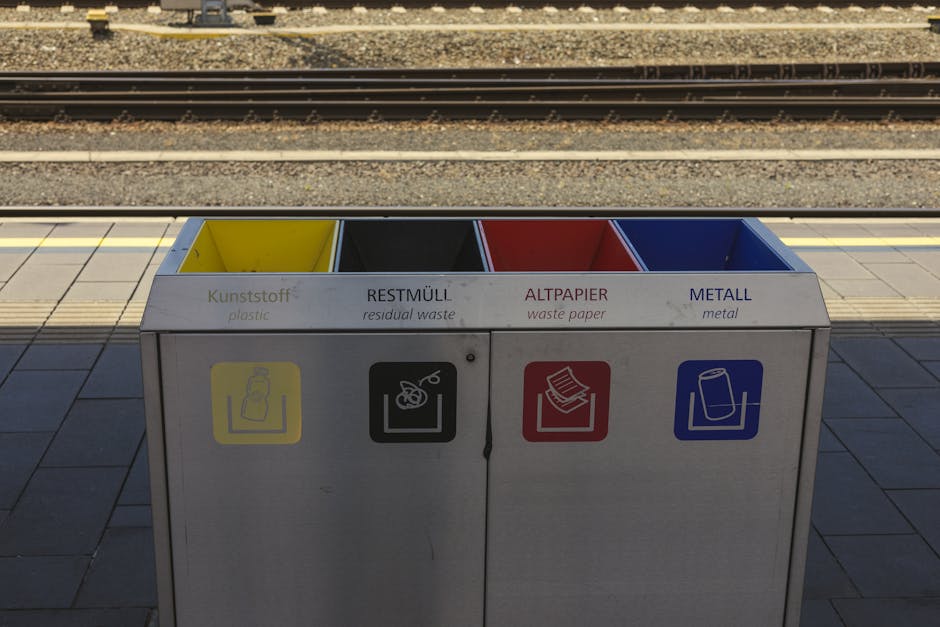
The most important distinction is between everyday household waste and larger or special items. General rubbish usually goes into standard collections. Recycling should be separated where required. Bulky waste, meanwhile, is the awkward category people tend to underestimate. Old wardrobes, mattresses, broken furniture, white goods, and bundled-up renovation debris often need a separate disposal approach. If you are in doubt, assume it is not a "leave it beside the bin" situation.
For flats and shared buildings, things can become more complicated. Some properties have communal storage areas, some have limited bin capacity, and some have awkward access. In places around Praed Street or the roads feeding into the station, a missed collection or overfilled bin area can escalate into a mess in a matter of hours. Our practical advice? Do not wait until the night before collection to work out where everything should go.
If you want a broader sense of how day-to-day life and property management work in the area, you may also find a local's guide to living in Paddington useful, especially if you are juggling household routines in a busy part of W2.
Key benefits and practical advantages
Following the correct disposal approach around Paddington Station is not just about avoiding problems. Done properly, it makes life easier. Much easier, honestly.
- Cleaner pavements and entrances: This matters around stations where footfall is constant and space is tight.
- Lower risk of complaints: Neighbours, landlords, tenants, and building managers are far less likely to raise issues when waste is handled properly.
- Better pest control: Bags left out badly can attract vermin surprisingly fast, especially in warm weather.
- Less stress during moves: End-of-tenancy clear-outs and furniture disposal go smoother when you have a plan.
- Less chance of enforcement trouble: If waste is left where it should not be, the consequences can be costly and awkward.
- Faster turnaround: Clear sorting means you spend less time moving items around and more time actually finishing the job.
For landlords and letting agents, there is another advantage: a tidy disposal process helps protect the condition of the property and the building common areas. That can be the difference between a quick handover and a last-minute scramble before the next tenancy starts.
If you are already planning a deeper clean after a move, end-of-tenancy cleaning in Paddington can sit neatly alongside disposal work. They solve different problems, but together they make a handover far less chaotic.
Who this is for and when it makes sense
This guide is for anyone dealing with waste near Paddington Station who wants to do it properly first time. That includes residents, flat sharers, landlords, office managers, shop owners, cleaners, and anyone else who has ever looked at a pile of unwanted stuff and thought, where on earth is this supposed to go?
It makes sense to pay attention to the rules when you are:
- moving out of a flat or house
- clearing furniture after a tenancy ends
- disposing of cardboard and packaging after a delivery
- removing office waste from a small workspace
- handling a house or domestic clear-out
- dealing with a one-off bulky item that will not fit in the bin
- sorting waste after a party, event, or refurbishing job
It also makes sense if you live on a busy street where missed collections are obvious and not especially forgiving. Around transport links, even a small mistake can look bigger than it is. One stray bag becomes two. One chair gets shifted by someone else. Then the whole thing looks like an abandoned pile. Not ideal.
If your situation involves a larger amount of clutter or a distressing build-up of items, you may want to read about hoarding cleanup services for Paddington flats and landlords. That is a very different kind of job, but the waste handling principles still matter.
Step-by-step guidance
Here is the simplest way to approach disposal near Paddington Station without overcomplicating it.
- Sort everything by type. Separate household waste, recycling, bulky items, and anything that might need special handling.
- Check what can go in your normal collection. Standard rubbish should be bagged securely and presented properly. Recycling should be clean enough to avoid rejection where possible.
- Identify bulky waste early. If it is too large, awkward, heavy, or messy to fit into normal containers, treat it as a separate task.
- Decide whether the waste is building, commercial, or domestic. The source matters. Office rubbish and household rubbish often need different handling.
- Keep waste off the pavement until the correct time. Premature placement is one of the easiest ways to trigger problems.
- Use the right disposal route. For bulky or awkward items, arrange a collection or use a lawful disposal method rather than guessing.
- Do a final sweep. Check shared hallways, bin stores, entrances, and loading areas. Small bits of packaging are the things people miss.
A useful rule of thumb: if the item would make a passer-by slow down and stare, it probably needs more than a normal bin solution.
A quick practical example
Imagine you are moving out of a one-bedroom flat near Praed Street. You have a mattress, a dismantled desk, three bags of mixed rubbish, and several boxes of packing material. The bags may be fine for normal collection if they are secure and timed correctly. The mattress and desk almost certainly need a separate plan. If you leave the furniture by the communal bins "for now", it may still be there three days later, except now wet, scuffed, and half in the way. That is the kind of problem people remember for all the wrong reasons.
Expert tips for better results
After enough local clear-outs, a few patterns become obvious. First, start earlier than you think you need to. Waste always takes longer than expected, especially if you have to sort through mixed items. Second, label what is staying and what is going. It sounds basic, but confusion in shared properties causes a lot of avoidable mess.
Here are a few practical tips that genuinely help:
- Flatten cardboard before moving it. It saves space and reduces spillover in bin areas.
- Keep wet waste sealed. Food waste and damp rubbish need tighter containment than people often give them.
- Separate reusable items early. You do not want to dispose of something useful by mistake.
- Protect common areas. Use covers or lifting aids when moving large items through hallways.
- Take photos before and after. Handy for landlords, tenants, and anyone who needs proof of the condition left behind.
In our experience, one of the best time-savers is simply having a staging area inside the property before anything goes out. It keeps the job calm. Less scrambling, more progress. You notice the difference by about 9 a.m., especially if the weather is doing the usual London thing and turning damp for no good reason.
If disposal is tied to a full-home clean, it can be useful to pair it with domestic cleaning in Paddington or even a targeted house cleaning service in Paddington once the rubbish is gone. That is often when the property finally starts to feel normal again.
Common mistakes to avoid
The biggest mistake is assuming all waste is treated the same. It is not. Another common one is leaving items out because "the collection should be soon." That phrase has caused more local frustration than people like to admit. If the collection is delayed, your items become everybody else's visual problem.
Other errors include:
- Mixing bulky waste with general rubbish and hoping for the best
- Blocking access routes with bins, bags, or furniture
- Overfilling bags so they split in transit
- Putting waste out too early and leaving it exposed overnight
- Ignoring shared-building rules where bin stores or common spaces have specific instructions
- Trying to save time by dumping items discreetly near the station, which is never a good plan
One small but important point: waste problems around transport-heavy streets tend to be seen by more people, more quickly. If you get it wrong, the issue is not hidden. It sits there in plain sight. A bit embarrassing, truth be told.
For noisy, after-party, or event-related waste in the wider area, the local guide to party spots in Paddington can be useful context for understanding why waste build-up happens after gatherings. It is not just about the party itself; it is the morning after that causes most of the mess.
Tools, resources and recommendations
You do not need fancy equipment to dispose of waste properly, but a few basic tools make the process cleaner and safer.
| Tool or resource | Why it helps | Best for |
|---|---|---|
| Heavy-duty bin bags | Reduces splitting and spillages | Household rubbish and lighter mixed waste |
| Moving straps or trolley | Makes large items easier to transport | Bulky furniture and appliance moves |
| Cardboard boxes | Keeps loose clutter together | Paper, small items, packing waste |
| Protective gloves | Helps with hygiene and grip | Any job involving mixed or sharp waste |
| Labels or marker pens | Prevents mix-ups in shared homes | Moves, clear-outs, landlord work |
| Collection planning checklist | Stops last-minute surprises | End-of-tenancy and bulk disposal jobs |
One recommendation that is easy to overlook: photograph bulky items before you move them. If something becomes damaged in a stairwell, or a building manager asks what was removed, those photos can help you reconstruct the sequence. That may sound a bit overcautious. It is not, really. It is just sensible.
For those who like to keep prices and scope clear in advance, pricing and quotes can also help you understand what a professional cleaning or clearance job may involve alongside disposal.
Law, compliance and best practice
When discussing waste near Paddington Station, it is safest to think in terms of local compliance and accepted best practice rather than trying to improvise. Westminster's expectations on waste presentation, public-space cleanliness, and responsible disposal should be treated seriously. The broad principle is straightforward: do not leave rubbish where it obstructs people, causes hazards, or bypasses proper disposal arrangements.
If waste comes from a business, the standard of care is usually higher. That means keeping records, separating streams correctly, and ensuring waste is collected or removed through a lawful route. If waste is from a home, the same common-sense principles still apply, just with a different practical setup.
Best practice in this area generally includes:
- using secure containers
- keeping collection times in mind
- not storing waste in shared access routes
- handling bulky items through approved disposal methods
- avoiding fly-tipping by never abandoning waste in public areas
- being considerate of neighbours and building users
It is also worth remembering that a station area is not just another residential street. The flow of people, deliveries, and luggage means the margin for error is smaller. If you want waste removed without any guesswork, use a reputable approach and stick to it.
For readers who are also juggling safety and access in their property, health and safety guidance is a helpful reminder that waste handling and safe movement go together, especially in stairwells and shared corridors.
Options, methods and comparison table
There is more than one way to deal with waste near Paddington Station, but not all methods fit every situation. The right choice depends on volume, item type, timing, and how much effort you want to spend. Sometimes the cheapest option is fine. Sometimes it becomes the most expensive one because it creates delays or a second trip.
| Method | Best for | Pros | Limitations |
|---|---|---|---|
| Normal household collection | Routine bin waste | Simple, familiar, usually low effort | Not suitable for large or awkward items |
| Recycling separation | Clean recyclable materials | More responsible, often reduces mixed waste | Needs sorting and storage space |
| Bulky waste arrangement | Furniture, mattresses, large items | Designed for oversized disposal needs | Needs planning and may involve waiting |
| Professional clearance help | Moves, offices, cluttered properties | Saves time, reduces handling stress | Usually more expensive than DIY |
If you are clearing a flat after tenants leave, professional help can be worth it simply because it reduces the number of moving parts. A lot of people underestimate the time cost of carrying things down stairs, separating rubbish, and doing the final sweep. It is a proper job, not a quick tidy-up.
For a deeper look at moving out and property turnover in the area, this guide to property sales in Paddington may also be relevant if the waste issue is happening during a sale or property transition.
Case study or real-world example
Here is a realistic situation we see often. A small office near Paddington Station closes for refurbishment on a Friday afternoon. There are old desk chairs, torn packaging, paper waste, and a few bulky pieces of furniture that have no place in the ordinary bins. Staff want everything gone quickly because the builders are arriving on Monday morning. The temptation is to pile the items near the entrance and sort it later. Bad idea.
Instead, the cleaner, safer route is to split the job into stages: separate paper and packaging, identify furniture for bulky disposal, protect the lift and corridor, and clear the waste before access becomes difficult. That way, the building remains usable, neighbours are not inconvenienced, and Monday starts without the slightly defeated feeling of having left a mess behind.
On another occasion, a tenant moving out of a flat near Sussex Gardens had a mixture of cardboard, kitchen waste, and one very heavy wardrobe panel that simply would not fit through the doorway in one piece. The useful decision was not to force it. The better decision was to pause, dismantle safely, and keep the waste types separate. It took longer in the moment, but saved the kind of problem that turns into a bad review, or a tense conversation with a landlord. Nobody needs that at 7 p.m. on a Sunday.
Practical checklist
Use this before you put anything out or arrange disposal near Paddington Station.
- Have I sorted general waste from bulky items?
- Do I know what can go into the normal bin collection?
- Have I separated recycling and kept it clean enough to recycle?
- Is anything sharp, wet, or potentially hazardous packed safely?
- Have I checked building rules for bin stores, hallways, and shared entrances?
- Will the waste be outside only at the correct time?
- Have I protected floors, lifts, and corridors while moving items?
- Do I need help with heavy or awkward objects?
- Have I left enough time for a second look before collection?
- Have I cleared the final area so nothing is left behind?
That final check is often the difference between a smooth disposal job and a half-finished one. The last five minutes matter more than people think.
Conclusion
The Paddington Station waste rules: City of Westminster disposal guide is really about doing the simple things properly: sorting waste, keeping public areas clear, and using the right disposal route for the right item. Near a busy station, small mistakes become visible quickly, and bulky waste is where most people get tripped up. The good news is that once you know the pattern, the process becomes much easier to manage.
Whether you are clearing a flat, handling office waste, or dealing with a one-off bulky item, the safest route is the one that keeps things organised, compliant, and out of everyone else's way. A little planning goes a long way. And to be fair, that is usually what saves the most time in the end.
Get a free quote today and see how much you can save.
Frequently Asked Questions
What are the basic waste rules near Paddington Station?
The basic rule is to store and present waste properly, keep pavements and shared access areas clear, and use the correct disposal route for bulky or special items. In busy parts of Westminster, timing and placement matter a lot.
Can I leave a mattress or sofa beside the bins?
No, not as a casual solution. Bulky items usually need a separate disposal method. Leaving them beside the bins can block access, attract complaints, and create enforcement issues.
How do I know if something counts as bulky waste?
If it does not fit safely into your normal bin collection or is awkward to carry, store, or move through the building, treat it as bulky waste. Furniture, mattresses, and large appliances are common examples.
What should tenants do before moving out of a flat near Paddington Station?
Sort rubbish early, separate bulky items, check building rules, and leave enough time for the final clean-down. A well-planned disposal step makes the handover much smoother.
Is it okay to put rubbish out the night before collection?
Only if that is allowed and it does not create a nuisance. In a busy station area, leaving waste out too early can make things untidy fast and may lead to problems if collection is delayed.
What happens if I dump waste in the wrong place?
You may face complaints, extra cleanup costs, and possible enforcement action. Even if nothing official happens, it can still cause a mess for neighbours, building managers, and passers-by.
Do offices around Paddington Station follow different waste expectations?
Yes, often they do. Business waste usually needs a more structured approach, especially where there is paper, packaging, furniture, or regular commercial output.
Can I mix recycling with general waste if I am in a hurry?
It is better not to. Mixed waste is harder to manage and can lead to rejected recycling or more complicated disposal. A few extra minutes of sorting usually saves trouble later.
What is the safest way to move bulky items through shared hallways?
Use proper lifting technique, protect floors and corners if needed, and avoid blocking exits. If the item is heavy or awkward, getting help is usually the smarter choice.
When should I arrange professional clearance help?
Choose that route when the waste volume is large, the items are heavy, access is tight, or you simply want the job done quickly and cleanly. It is especially useful for moves, refurbishments, and end-of-tenancy clear-outs.
How can I avoid complaints from neighbours or building managers?
Keep waste contained, avoid early placement, and clear it away promptly. In shared buildings, communication helps too. A quick heads-up can prevent a surprising amount of friction.
Where can I read more about local cleaning and disposal support in Paddington?
Useful follow-up reading includes same-day junk clearance in Paddington and Westminster Council rules for bulk rubbish in Paddington W2, both of which are closely related to the practical disposal issues covered here.