Hoarding Cleanup Services for Paddington Flats and Landlords
When a Paddington flat has been slowly overwhelmed by clutter, the problem is rarely just "mess". It can mean blocked access, hidden damage, strong odours, pest risk, strained neighbour relations, and a whole lot of stress for everyone involved. For landlords, hoarding situations can also turn a simple turnaround into a sensitive property recovery job. For tenants, it can feel overwhelming before anyone has even opened the first cupboard.
That is where hoarding cleanup services for Paddington flats and landlords come in. The right service does more than remove items. It helps restore safe walking space, protects the fabric of the property, supports respectful communication, and gets the flat back to a usable condition without making a difficult situation worse. In a place like Paddington, where flats are often compact, stair access can be tight, and turnaround time matters, a calm, well-planned cleanup makes a real difference.
This guide explains how the process works, what landlords and tenants should expect, what to avoid, and how to approach the job in a practical, humane way. If you are dealing with a one-room overflow or a full flat clearance, you will find a sensible path through it here.
- Why hoarding cleanup matters in Paddington flats
- How the cleanup process works
- Benefits and practical advantages
- Who needs this service
- Step-by-step guidance
- Expert tips for better results
- Common mistakes to avoid
- Tools, resources and recommendations
- Law, compliance and best practice
- Options and comparison table
- Case study style example
- Practical checklist
- Conclusion
- Frequently asked questions
Why Hoarding cleanup services for Paddington flats and landlords Matters
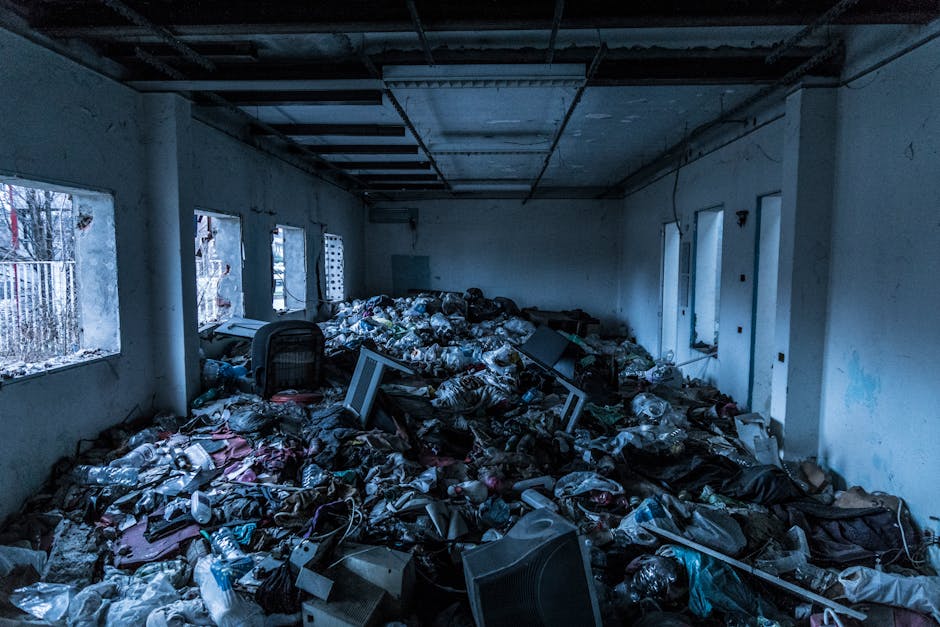
Paddington has a lot of flats, conversions, mansion blocks, and compact rental homes. That is part of the charm. It is also why hoarding in a flat can escalate quickly. A small build-up in a hallway, bedroom, or kitchen can narrow movement, block ventilation, and make cleaning or repairs much harder than it looks at first glance.
For landlords, the issue is not only appearance. It can affect safety, insurance concerns, void periods, inspection schedules, and the cost of making the property ready for the next tenancy. For tenants, hoarding can create embarrassment, isolation, and practical risks that are easy to put off until they become urgent. And let's face it, once rubbish bags and possessions start stacking in a one-bedroom flat, the job does not magically shrink overnight.
In Paddington, there is another layer too: shared entrances, thin walls, and close neighbours. Odours, pests, and disturbed communal areas can create friction quickly. That is why a careful cleanup, done with respect, is better than a rushed clear-out. It protects everyone involved.
Expert summary: the goal is not just "emptier rooms". It is a safer, more manageable flat, fewer risks for the building, and a process that handles the emotional and practical side properly. If you want a broader sense of local home care and neighbourhood context, our local guide to living in Paddington is a helpful companion read.
How Hoarding cleanup services for Paddington flats and landlords Works
A proper hoarding cleanup is usually staged. That matters because the work is often more delicate than standard deep cleaning or ordinary rubbish removal. Good providers begin with assessment, not rushing in with sacks and bins. In a flat, especially one with limited lift access or narrow stairwells, planning the movement of items is half the battle.
1. Initial assessment and planning
The first step is to understand the scale of the job. Is the issue mainly clutter, or has the flat reached a severe hoarding stage? Are there sharp objects, mould, spillages, damaged flooring, or signs of pests? A good plan also considers entry points, parking restrictions, neighbours, and whether the building has particular access constraints.
2. Sorting and separating
Items are typically divided into categories such as keep, donate where appropriate, recycle, dispose, and specialist handling. In sensitive cases, you may also have items that must be reviewed by the tenant or their representative before anything is removed. That bit is important. People sometimes assume "clearance" means everything goes, but that is not how respectful hoarding work should be handled.
3. Safe removal
Once the sorting plan is agreed, bulky items, bags, loose waste, and salvageable contents are removed in a controlled way. In flats, that often means carefully managing corridors, front doors, lifts, and shared access. Heavy lifting is done with the right equipment and enough manpower. Not with optimism and a dodgy trolley.
4. Sanitising and cleaning
After removal, the property normally needs deep cleaning. That may include floors, surfaces, kitchens, bathrooms, skirting boards, inside cabinets, and areas where odours or residue have built up. In some cases, extra work may be required for carpets or upholstery, especially if there has been prolonged contamination.
If the flat needs extra fabric care after the clearance, services such as carpet cleaning in Paddington or upholstery cleaning in Paddington can be part of the recovery plan.
5. Final checks and handover
The last stage is a practical walkthrough. This is where the landlord, agent, tenant, or family member checks what has been completed, what remains, and whether follow-up work is needed. In a landlord situation, this handover often links into repair, repainting, or end-of-tenancy preparation.
Key Benefits and Practical Advantages
The strongest benefit is obvious: the flat becomes usable again. But the real value goes deeper than that.
- Safer access: hallways, exits, and rooms are easier to move through.
- Lower property risk: hidden leaks, damp, damaged flooring, or pest issues become visible sooner.
- Better neighbour relations: reduced smells, noise, and shared-area disruption.
- Faster property turnaround: especially useful for landlords between tenancies.
- More dignified process: a careful approach avoids unnecessary shame or conflict.
- Cleaner starting point: it is much easier to restore a flat after clutter is removed than while it is still trapped under layers of stuff.
There is also a mental relief that people often underestimate. When rooms are blocked, people stop using them properly. The kitchen becomes storage. The bedroom becomes a dumping zone. Eventually, the flat starts to feel smaller than it really is. A structured cleanup breaks that pattern. You can almost hear the place exhale a little.
For landlords, the financial advantage is usually about reducing vacancy time and avoiding compounding damage. If a property is being prepared for sale or re-letting, reading a practical local piece like property sales guidance for Paddington can also help frame how a cleared, presentable flat supports the next step.
Who This Is For and When It Makes Sense
This service is not only for extreme cases. In fact, many requests start with something that looked manageable a few months earlier.
Landlords and letting agents
If a tenant has left a flat heavily cluttered, or if an inspection shows a slow build-up that is affecting the condition of the property, a cleanup can be the sensible middle ground between doing too little and overreacting. It is especially useful before end-of-tenancy cleaning or repair work.
Tenant households
Some tenants know they need help but feel stuck. They may be dealing with grief, burnout, illness, family pressure, or just years of "I'll sort that later." A supportive cleanup can turn a frightening situation into a manageable one. That matters.
Executors, family members, and support networks
Sometimes the flat belongs to someone who is no longer able to manage it alone. In those cases, the process needs sensitivity and clear communication. Good cleanup work respects the person, not just the property.
Property managers and estate teams
For managed blocks in Paddington, hoarding can affect more than one flat. Shared hallways, lift use, storage areas, and bin rooms can all become involved. A prompt response prevents the issue from spreading into communal spaces.
When it makes immediate sense
- Access routes are blocked or unsafe
- There is visible odour, damp, or mould
- Pests are suspected
- The flat is due for inspection, sale, or end-of-tenancy works
- Cleaning cannot begin until clutter is removed
- The tenant or owner wants a staged, respectful reset
For landlords in particular, a pre-planned approach often works best alongside a broader plan for tenancy turnover. A useful related read is end of tenancy cleaning in Paddington, because hoarding recovery often feeds directly into the exit or re-let process.
Step-by-Step Guidance
If you are staring at a flat and wondering where to begin, keep it simple. Don't try to solve the whole thing in one emotional sprint.
- Identify the priority rooms. Start with the spaces that affect safety first: hallways, exits, kitchen, bathroom.
- Decide who should be involved. Landlord, tenant, family member, agent, or support person. Get the decision-makers in the room early.
- Separate personal items from waste. This is a key step. It avoids accidental loss and reduces friction.
- Look for hazards. Watch for broken glass, needles, animal waste, mould, or blocked electrics. If serious hazards are present, the cleanup method should be adjusted.
- Set a disposal plan. Decide what can be recycled, what needs bulky removal, and what might need special handling.
- Clear in zones. Room by room works better than trying to do the entire flat at once.
- Deep clean after the clear. Surfaces, floors, fixtures, and hidden corners all need attention.
- Document the result. Landlords and agents often need before-and-after records for inspections or handover.
A small but useful tip: if you think you can do the whole job in one afternoon, add time. Then add a bit more. Flat clearances in Paddington often take longer than expected because access, parking, and sorting slow the process down. That is normal, not failure.
Expert Tips for Better Results
In our experience, the best outcomes come from patience and good sequencing, not brute force.
Protect the keep items first
Put documents, medication, keys, photographs, and valuables aside before the main work begins. It sounds obvious, but when a flat is stressful, obvious things get overlooked. Easily.
Use the room layout to your advantage
In smaller Paddington flats, it helps to work from the entrance inward or from the most blocked area outward. The point is to create movement quickly, so the flat feels less trapped.
Do not clean around clutter
This is a common trap. People sweep around piles and hope for the best. But until the clutter is out, you do not really know what the floor or skirting looks like. Hidden problems keep hiding.
Keep communication short and calm
If the situation involves a tenant who feels defensive, long lectures rarely help. Clear, respectful language does. Say what the immediate goal is, what will be removed, and what will be checked next.
Plan for odour control and follow-up
Sometimes the flat looks clean but still smells "off" because the underlying issue was not only visual clutter. That can mean hidden waste, soaked materials, or soiled soft furnishings. If needed, pair the cleanup with targeted fabric care like Paddington carpet care after the clearance.
Small real-world note: a lot of jobs improve dramatically once the first load leaves the property. The room feels different. The sound changes. Even the echo changes a bit. That first shift gives everyone a better headspace, which is half the battle.
Common Mistakes to Avoid
- Waiting too long: the more compact the flat, the faster clutter becomes a safety issue.
- Assuming all clutter is waste: personal items may need review, not disposal.
- Ignoring shared spaces: hallways and bin stores can become part of the problem very quickly.
- Using a "quick tidy" instead of a structured clearance: surface order can hide deeper issues.
- Forgetting post-clear cleaning: removal alone is rarely enough.
- Not checking access and parking: in Paddington, logistics matter more than people expect.
- Trying to shame the person involved: that usually makes cooperation worse, not better.
Let's be honest: the emotional side can make people avoid the practical side. But avoidance tends to make the next visit harder, not easier.
Tools, Resources and Recommendations
You do not need a warehouse full of equipment, but the right tools do make a hoarding cleanup much safer and less chaotic.
Useful tools and materials
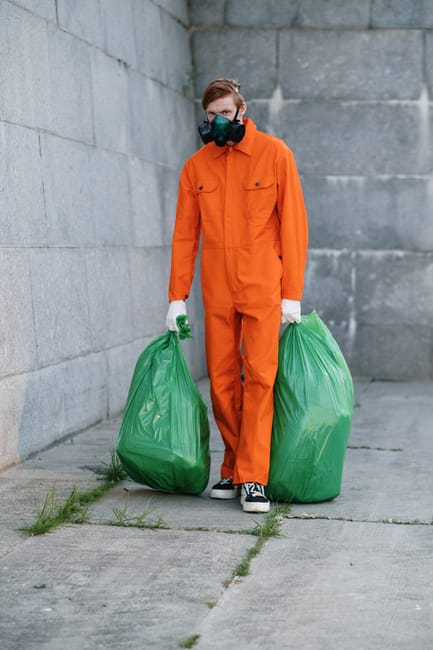
- Strong refuse sacks and labelled sorting bags
- Protective gloves and sturdy footwear
- Face masks where dust or odour is heavy
- Trolleys or moving aids for bulky items
- Cleaning cloths, disinfectant, and surface-safe degreasers
- Sealable containers for documents or keep items
- Bin liners for segregation by category
Helpful service pairings
Depending on the condition of the property, hoarding cleanup may sit alongside other services. For example, if soft furnishings have absorbed smells or staining, Paddington upholstery cleaning can help. If the issue started with a broader house decline rather than one room, house cleaning in Paddington may be part of the follow-up plan. And if the flat is no longer in a state for routine upkeep, a more general services overview can help you see the wider options available.
When to bring in help rather than DIY
If the flat has heavy waste, limited access, contamination, or emotional resistance from the occupant, bringing in experienced help is usually the sensible move. DIY can work for mild clutter. Beyond that, it can become exhausting, awkward, and slow.
Law, Compliance, Standards, or Best Practice
Hoarding cleanup often touches on safety, tenancy responsibilities, waste handling, and sometimes sensitive personal circumstances. It is wise to treat it as a property and welfare issue, not just a cleaning task.
For landlords, standard UK good practice is to document the condition of the flat, communicate clearly, and avoid unnecessary confrontation. If the occupancy situation is complex, it may be sensible to take advice from the appropriate professionals involved in the tenancy or property management process. Terms should always be checked against the tenancy agreement and any relevant obligations, but it is best not to improvise when a situation may affect access, repairs, or disposal.
From a cleaning and clearance perspective, safe waste handling, appropriate PPE, and careful movement through shared areas are basic expectations. In communal Paddington buildings, that also means protecting hallways, being considerate with timing, and keeping disruption to neighbours as low as possible.
Health and safety expectations matter here, as do clear service terms such as terms and conditions and practical payment clarity through payment and security. If you are comparing providers, it is also sensible to understand how quotes are built; that is where pricing and quotes can be a useful reference point.
One more thing. If the situation involves suspected biohazards, structural damage, pests, or unsafe electrics, the cleanup plan may need to pause until the risk is properly assessed. Better safe than sorry. No prize for being heroic with a mop.
Options, Methods, or Comparison Table
Not every situation needs the same approach. Here is a straightforward comparison to help landlords and occupants choose the right route.
| Approach | Best for | Pros | Limits |
|---|---|---|---|
| DIY decluttering | Mild clutter and low-risk rooms | Lower cost, full control | Slow, emotionally draining, risky with heavy waste |
| Staged family-led clearance | Occupied flats with personal items to review | Careful, respectful, good for sensitive belongings | Can stall if decisions are delayed |
| Professional hoarding cleanup | Severe clutter, access problems, time pressure | Faster, safer, more structured | Requires coordination and a clear scope |
| Clearance plus deep cleaning | Flats with odour, residue, or visible contamination | More complete result, better for handover | Needs more time and planning |
For most Paddington landlords, the strongest option is usually not "just remove everything" and not "leave it for later". It is a staged cleanup with proper sorting, followed by a targeted deep clean. That middle route tends to be the least painful in real life.
Case Study or Real-World Example
Here is a realistic example based on common Paddington flat conditions.
A landlord of a two-bedroom flat near a busy transport link notices the tenancy is ending with the property in poor shape. The hallway is partly blocked, the kitchen has stacked bags and old packaging, and one bedroom has become a storage room. The tenant is embarrassed and avoids contact, while the landlord is worried about delaying the next let.
The job starts with a calm walk-through. The team identifies items that must be kept, items that can be disposed of, and areas that need extra care because of dust and spill residue. The front room is cleared first to create a working zone. Then the kitchen and hallway are tackled so that movement through the flat becomes easier. After that, the main cleaning begins.
By the end, the property is not just "emptier". The floors are visible again, the odour is reduced, and the landlord has a clear sense of what repair or redecoration may still be needed. The tenant, importantly, has been treated respectfully. No drama. No judgement. Just a solid, practical reset.
That kind of result is exactly why hoarding cleanup services for Paddington flats and landlords are valuable. They create order without turning the process into a spectacle.
Practical Checklist
Use this checklist if you are preparing for a cleanup or deciding whether to book one.
- Identify the flat's most urgent safety issue first
- Decide who has authority to approve sorting and disposal
- Set aside documents, medication, keys, and valuables
- Check whether pests, mould, or contamination are present
- Measure access points, stairs, lifts, and parking constraints
- Separate keep, recycle, dispose, and specialist items
- Plan post-clear deep cleaning and any fabric care
- Document the flat before and after the work
- Confirm any landlord, tenancy, or handover requirements
- Allow enough time for sorting, removal, and cleaning
Quick takeaway: the best hoarding cleanup is calm, staged, and respectful. If the plan is rushed, the results usually are too.
If you are comparing wider local cleaning support for the property, you may also find domestic cleaning in Paddington useful once the flat is back in a manageable condition.
Get a free quote today and see how much you can save.
Conclusion
Hoarding cleanup in a Paddington flat is rarely simple, but it does not need to feel impossible. The right approach is practical, respectful, and careful about the realities of London flats: tight access, shared spaces, time pressure, and the need to protect both people and property.
For landlords, a professional cleanup can shorten void periods and reduce avoidable damage. For tenants and families, it can bring back breathing room, dignity, and a path forward. The real win is not perfection. It is getting the flat safe, clear, and usable again without creating more damage along the way.
And sometimes, once the first room is cleared, the whole place starts to feel less heavy. That little shift matters more than people think.
Frequently Asked Questions
What are hoarding cleanup services for Paddington flats and landlords?
They are specialist cleaning and clearance services designed to remove clutter, waste, and unsafe accumulation from flats while handling the process carefully and respectfully. In landlord situations, they often include sorting, removal, and deep cleaning so the property can be made safe and usable again.
How is hoarding cleanup different from regular cleaning?
Regular cleaning deals with dirt and maintenance. Hoarding cleanup deals with excess items, blocked access, hidden hazards, and often heavier emotional or logistical challenges. It usually takes more planning and may require staged removal before any deep clean can begin.
Do landlords need the tenant's permission?
Usually, tenant involvement matters a lot, especially when personal items are involved. Landlords should avoid making assumptions and should follow the tenancy agreement and proper communication channels. If there is uncertainty, it is wiser to clarify the situation before anything is removed.
Can a hoarded flat be cleaned in one visit?
Sometimes mild cases can be handled in one visit, but more complex flats often need two stages: clearance first, cleaning afterwards. If access is difficult or the flat is heavily cluttered, one long visit may still be better than trying to force everything into a rushed same-day job.
What should be removed first in a hoarded flat?
Start with safety-critical items and routes: exits, hallways, kitchen access, and bathroom access. Then protect documents, valuables, medication, and anything the occupant wants to keep. Once those are secure, the rest can be sorted more methodically.
How do you handle odours after a hoarding cleanup?
Odour usually needs more than air freshener, to be fair. The source has to be removed, and soft furnishings, floors, and surfaces may need targeted cleaning. In some cases, carpet or upholstery treatment is useful as part of the recovery process.
Is hoarding cleanup safe for older buildings and mansion blocks?
It can be, provided the team plans access properly and moves items carefully through shared areas. Older Paddington buildings may have narrower staircases, delicate finishes, or lift restrictions, so the method matters as much as the result.
How much disruption will neighbours experience?
That depends on the size of the job and the building layout. Good practice is to keep routes clear, work efficiently, and minimise noise and mess in communal spaces. In a dense block, courtesy really does go a long way.
What if the flat also needs deep cleaning after clearance?
That is very common. After the clutter is removed, the flat may still need a full deep clean for floors, kitchens, bathrooms, and soft furnishings. In many cases, cleanup and cleaning are best treated as two linked steps rather than one task.
Can hoarding cleanup help before a tenancy ends?
Yes. It often helps landlords and tenants get the flat ready for inspection, repairs, or end-of-tenancy cleaning. If the property is due to be handed back, a structured cleanup can make the final stage much easier.
What if the situation feels emotionally difficult?
That is normal. Hoarding situations often carry embarrassment, grief, or stress. The best approach is gentle, practical, and non-judgemental. A calm plan and a steady pace usually work better than pressure or criticism.
What is the smartest first step if I'm not sure where to begin?
Start by deciding which room creates the biggest safety or access issue. Then protect important items and set a simple sorting plan. If the flat is heavily blocked or the situation feels overwhelming, bringing in specialist help is often the most efficient next move.